01
Dynamic intake
A rapid screening layer identifies relevant clinical areas, then focuses follow-up questions only where more detail is needed. The goal is less burden, better signal, and earlier clarity.

PeriopIQ converts scattered perioperative information into actionable readiness intelligence so teams can see what is missing, what matters, who needs to act, and when the case is ready.
A rapid screening layer identifies relevant clinical areas, then focuses follow-up questions only where more detail is needed. The goal is less burden, better signal, and earlier clarity.
Case facts, patient responses, medications, labs, documents, specialist recommendations, and facility context are evaluated against readiness rules and governance preferences.
PeriopIQ translates readiness findings into work to be done: obtain records, clarify medications, request recommendations, verify labs, or review facility appropriateness.
Selected venue, procedure, patient factors, and facility governance are evaluated together so possible venue mismatch can be identified upstream.
Patients, practices, facilities, and outside physicians all contribute to readiness. PeriopIQ organizes the coordination trail so the team can see the status of each dependency.
Readiness is not a one-time score. New information updates the case, refreshes the readiness status, and keeps unresolved issues visible until they are closed.

Results become useful when they are matched to the correct requirement, verified, interpreted when necessary, and written back into the patient’s readiness picture.
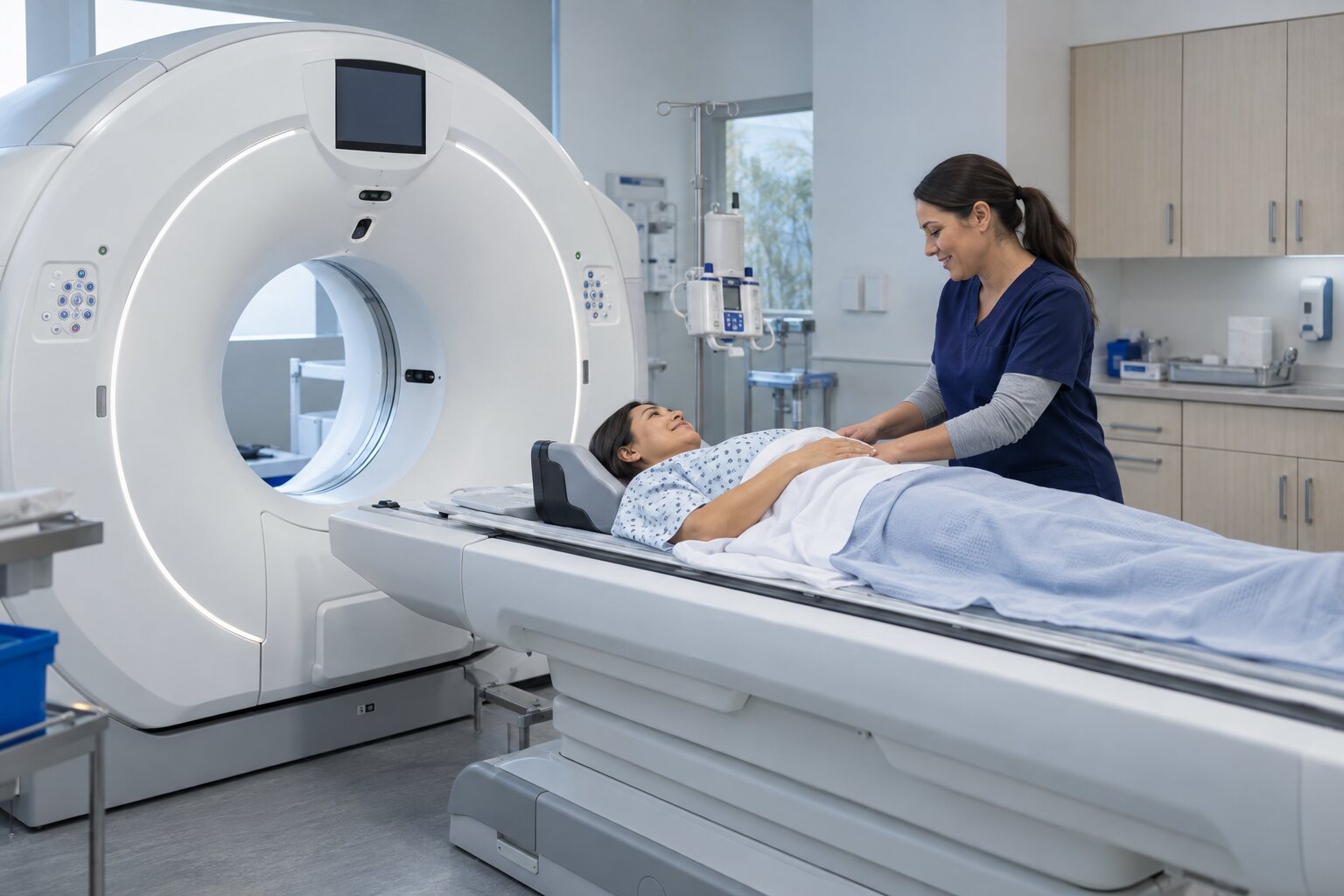
Imaging, laboratory testing, records, and clinical recommendations remain distinct clinical processes while contributing to one coordinated case assessment.
The platform begins where the operational work begins: the decision to proceed with surgery, the scheduling or authorization workflow, and the intake of information needed to evaluate readiness.
Traditional screening tools often end with a score. PeriopIQ is designed to keep working after the first assessment by managing the readiness dependencies that determine whether surgery can proceed as planned.